Fungal surveys to detect environmental changes
Macrofungal sporocarp (fruiting body) production is a sensitive indicator of early changes in habitat and environment and sporocarp surveys represent an important link between animal and plant surveys. We undertake general macrofungal surveys to provide information on fungal numbers and types present including:
- likely mycorrhizal fungi and their host plants (a);
- non-mycorrhizal fungi (b);
- decay macrofungi (both basidio- and ascomycetes) on leaf and woody substrata such as logs and dead trees (c); and
- macrofungi on animal dung (d).
-
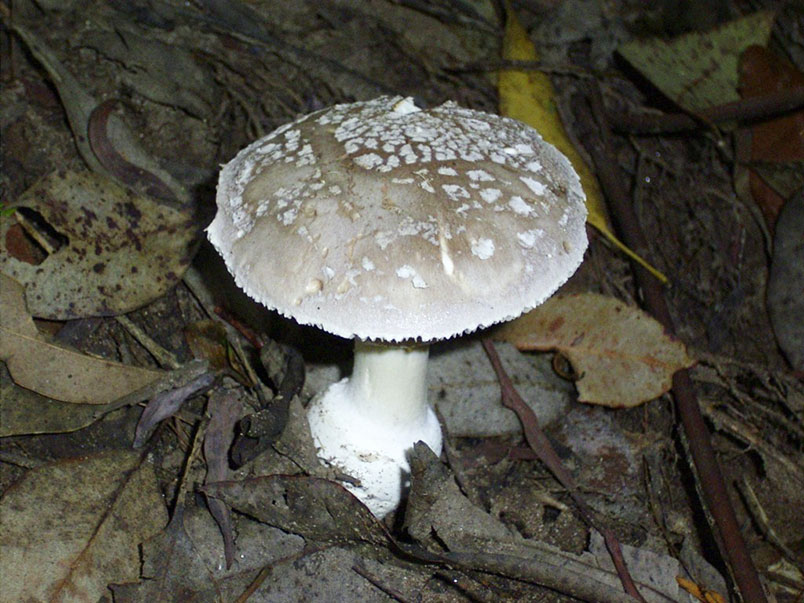 a
a
-
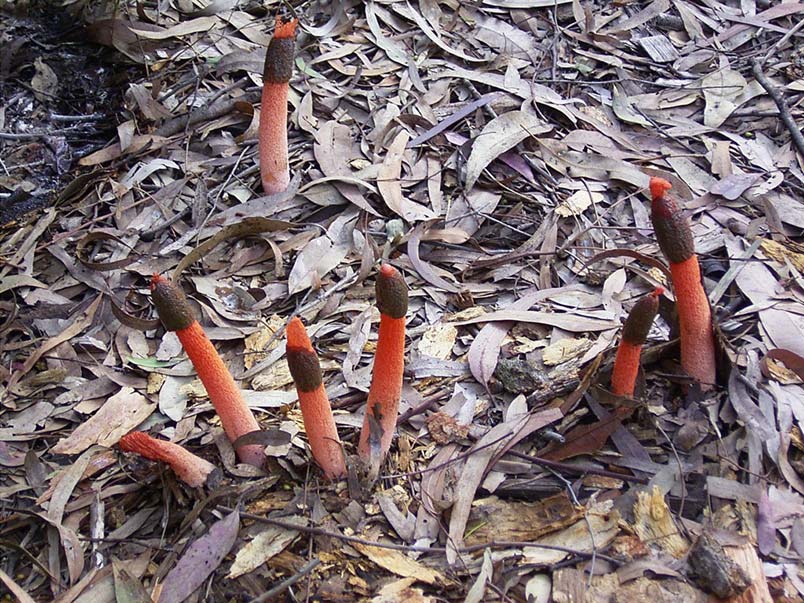 b
b
-
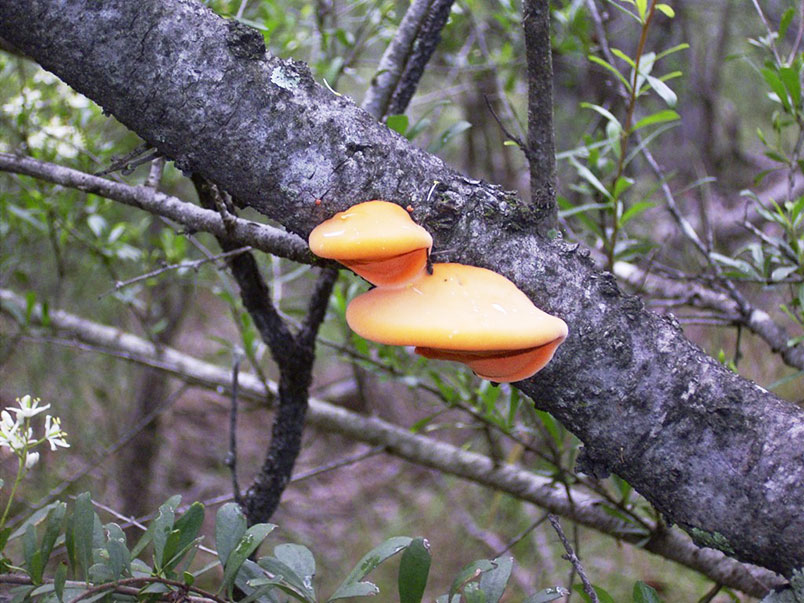 c
c
-
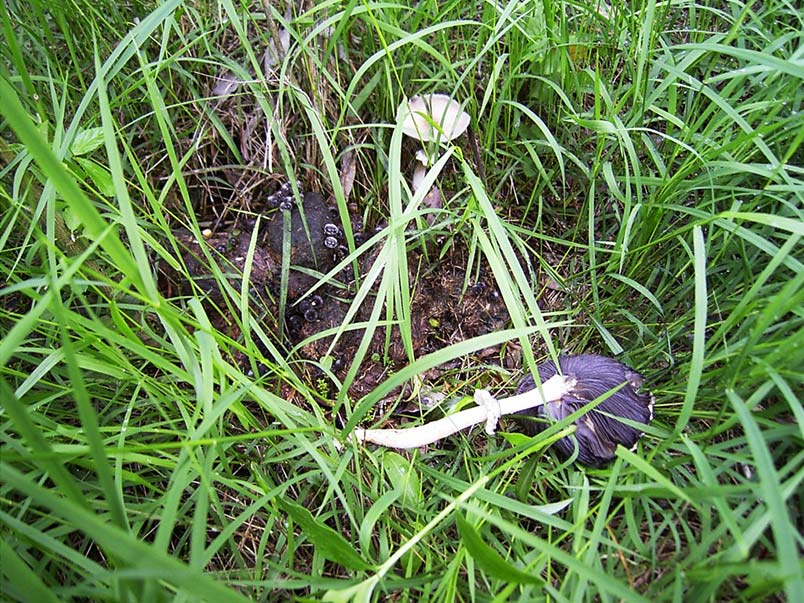 d
d
Sporocarp monitoring provides information concerning environmental health, as native fungi help maintain the health of ecosystems by building organic matter, sustaining soil nutrient cycling processes, improving soil fertility and promoting plant growth through mycorrhizal associations. In addition, macrofungal fruiting bodies can be an important source of food for native animals. Small mammals can have significant amounts of fungi in their diet (up to 60–70% for some animals), and over two-thirds of terrestrial ground-dwelling mammals can be mycophagous.
Regular monitoring programs targeting indicator fungi (compared to comprehensive one-off biodiversity surveys) are a cost-effective way to determine macrofungal population trends and environmental health at a number of sites.
A graph of species richness of a reference site (A), disturbed and/or regenerating sites (B-F), areas with tree plantings and grass (G-M), recently grassed areas (N-P), and a burnt area (Q).