Bioremediation and waste management
Microbial Management Systems provides innovative environmental solutions to restore and build microbial communities that are required for soil health and which can be utilized for organic waste management.
Case study: rehabilitation of mine sites
Developing a soil structure, increasing organic matter content and turnover, and increased nutrient cycling are key to establishing a stable post-mining soil for the re-establishment of a self-sustaining vegetative cover. Microorganisms are vital to these processes occurring. Monitoring and managing soil microbes during soil removal, storage and replacement can minimize microbial community changes to ensure that soil substrates are optimised for re-use in rehabilitation activities.
Our work has shown:
- the time intervals required for the development of stable soil microbial communities on rehabilitating sites
- the comparative effects of topsoil and biosolids amendments on the establishment of microbial biota on degraded soils
- the positive effects on soil profile and microbial community development of the addition of composted organic waste to rehabilitating mine soils
- the positive effects of NPK fertilizer addition on soil fungal community structure in nutrient depleted soils
- the effects of differing water retention capacities between native and rehabilitating soils on microbial community functionalities at low soil moisture contents
- the actinomycete:bacterial colony ratio on soil dilution plates is a simple and robust primary bioindicator of the effects of disturbance on soil biological functions and their subsequent restoration during mine site rehabilitation
- the proportion of copiotrophic (rapidly growing) bacteria in rehabilitating soils is indicative of the size of the labile soil organic carbon pool
Case study: organic treatments of agricultural soils
Contrary to some claims, composts, microbially-enhanced fertilizers and other soil treatments (such as compost teas) rarely introduce significant numbers and diversities of beneficial bacteria and fungi into agricultural soils.
Studies show that these treatments do not impact upon existing soil microbial numbers and microbial functional diversities unless they are very low and/or the treatments are added in unrealistically large volumes or over long periods of time. Rather than being a source of additional or new microorganisms, these additives should be be considered as an additional source of nutrients available to the indigenous soil microorganisms. The exception to this is soil treatments with biosolids, where soil microbial numbers are greatly boosted by the treatment but then decline rapidly over the next several months to a pre-treatment level.
Case study: microbial production of extracellular polymeric substances (EPS) utilizing waste organic matter
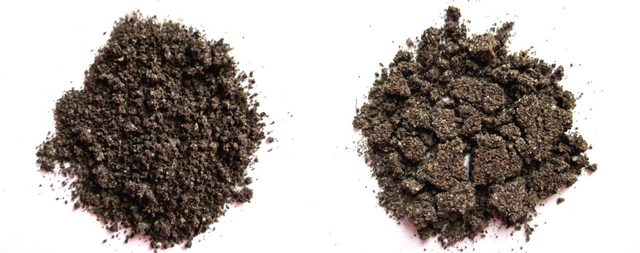
The production of EPS is a common property of many soil microbes. We are developing microbial polymer applications which can be produced at low cost utilizing local organic waste stocks as eco-friendly solutions for soil stabilization and erosion reduction during the crucial period before vegetation cover is established on soil. Biopolymers increase soil wettability and water holding capacity, increase soil aggregate formation, and can stimulate growth of fungal hyphae in soil leading to a further increase in soil aggregation. The photos below show the effects of a biopolymer application on soil aggregation.
Case study: the oyster mushroom and woody waste
Large quantities of organic wastes are generated through the activities of the agricultural, forest and food processing industries. A significant proportion of these wastes are not reutilized, resulting in negative economic and ecological impacts. However, appropriate bioremediation can convert these wastes into valuable economic and environmental resources which can be of further value, especially in soil restoration activities.
For small-scale horticultural businesses, the generation and disposal of waste streams may impact upon profits and have serious ecological implications within the local environment.
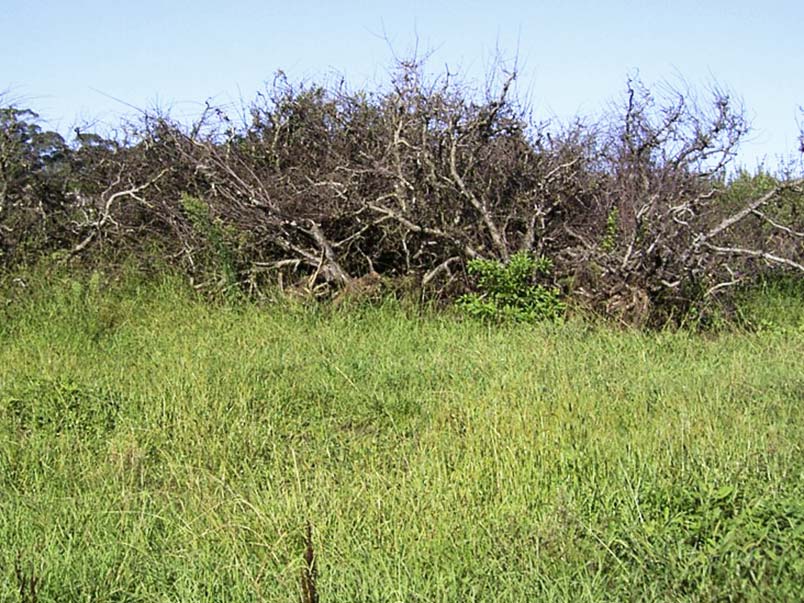
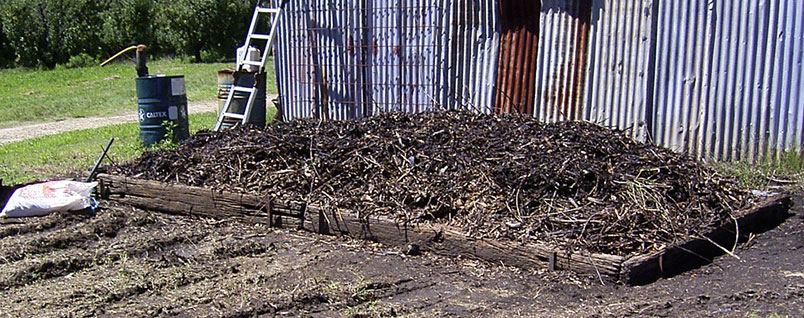
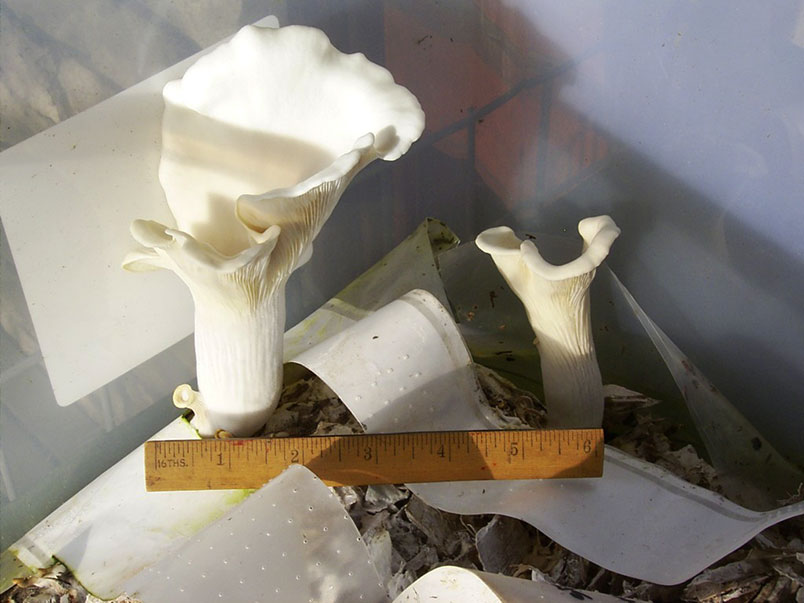
A project undertaken for Horticulture Australia Ltd identified the oyster mushroom, Pleurotus ostreatus, as a suitable microbial bioremediation agent for woody horticultural waste streams in the Hawkesbury region neighbouring the Greater Blue Mountains World Heritage Area and demonstrated conversion of these wastes from potential environmental and economic liabilities into economic and environmental benefits.
The photos below depict the steps from woody waste to mulch to mushrooms.